Lutein and zeaxanthin are natural pigments classified as carotenoids, a group of organic compounds responsible for the vibrant colors found in various fruits and vegetables. These two carotenoids, belonging to the xanthophylls subgroup, are particularly renowned for their prevalence in the eye’s retina.
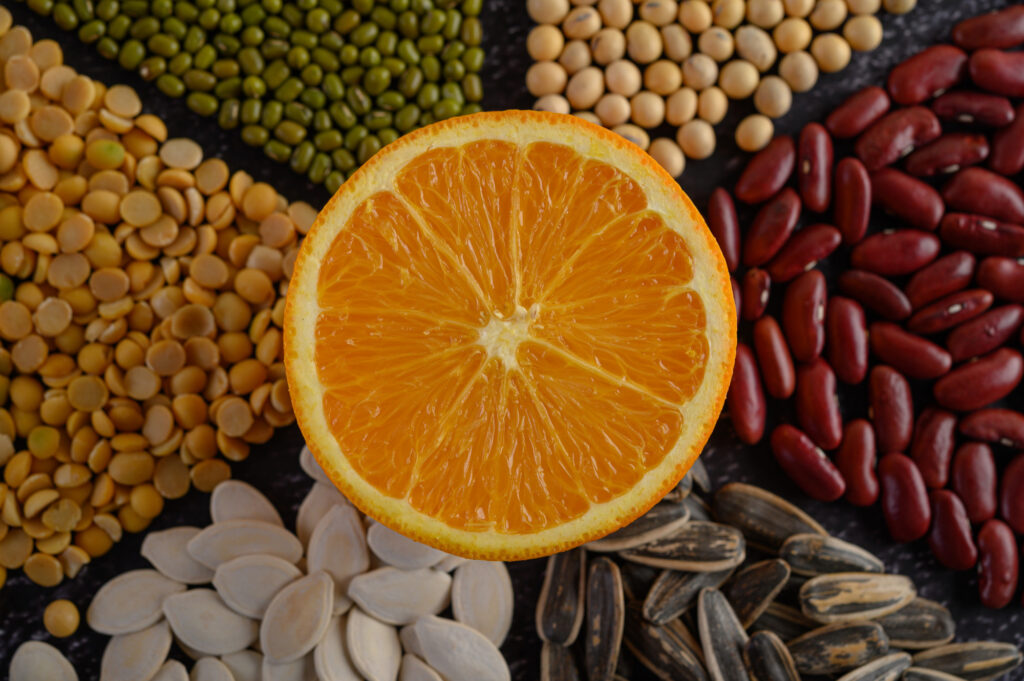
Lutein and zeaxanthin are abundantly found in various foods, particularly those with vibrant colors indicative of high carotenoid content.
The absorption of lutein and zeaxanthin is influenced by several factors. One critical aspect is the dietary fat content of a meal, as these carotenoids are fat-soluble. Consuming them alongside sources of healthy fats, such as olive oil or avocados, facilitates better absorption. Additionally, the food matrix plays a role; having lutein and zeaxanthin within whole foods, rather than isolated supplements, can enhance bioavailability. Cooking methods matter too—steaming or sautéing with oil can break down cell walls in vegetables, making these carotenoids more accessible. Moreover, there’s individual variability influenced by factors like age, genetics, and overall health, impacting the efficiency of absorption.
Optimizing the bioavailability of lutein and zeaxanthin involves strategic nutrient combinations. Vitamin C-rich foods, such as citrus fruits or bell peppers, can synergistically enhance absorption when consumed with these carotenoids. Similarly, incorporating vitamin E-rich foods like nuts and seeds contributes to improved bioavailability, given vitamin E’s compatibility as a fat-soluble vitamin. The inclusion of dietary fiber, prevalent in fruits, vegetables, and whole grains, supports overall gut health and may positively influence the absorption of these essential carotenoids. Understanding and incorporating these factors into dietary choices can maximize the benefits of lutein and zeaxanthin for eye health.
Age-related macular degeneration is a leading cause of vision loss among older adults. Lutein and zeaxanthin play a crucial role in protecting the retina from oxidative damage and supporting the macular pigment, which helps prevent the development and progression of AMD.
Lutein and zeaxanthin contribute to the antioxidant defense system of the eye, helping to neutralize free radicals that can contribute to cataract formation. A deficiency in these carotenoids may potentially increase the risk of developing cataracts.
Insufficient levels of lutein and zeaxanthin may be associated with an increased risk of various retinal diseases. These carotenoids contribute to the structural integrity of the retina and help maintain optimal visual function.
While the direct link is still being explored, some studies suggest that lutein and zeaxanthin may have a protective effect against glaucoma. Their antioxidant properties may help in minimizing oxidative stress, which is implicated in the development of glaucomatous damage.
In conclusion, recognizing the vital role of lutein and zeaxanthin in maintaining eye health is crucial. These carotenoids, abundant in foods like dark leafy greens and colorful vegetables, contribute to the protective macular pigment, reducing the risk of age-related macular degeneration and other eye conditions. While a recommended daily intake isn’t firmly established, incorporating diverse sources into the diet is beneficial. Individual factors and health considerations should guide decisions on supplements. Prioritizing a nutritionally rich diet, coupled with mindful choices, underscores the significance of lutein and zeaxanthin for sustaining clear vision and overall ocular well-being.
COPYRIGHTS © 2026 VITAMIN SCIENCES.
ALL RIGHTS ARE RESERVED.